
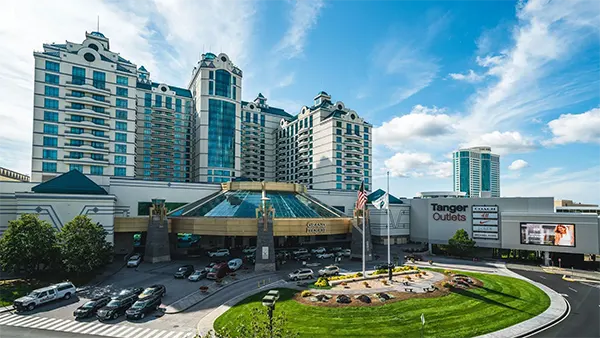
Foxwoods Resort Casino: why it is considered one of the largest casino resorts in the United States
Foxwoods Resort Casino is a major gaming and hospitality complex located in Mashantucket, Connecticut. It is widely known for its scale and for combining multiple casino areas with hotels, entertainment venues, shopping and event infrastructure in one connected resort environment. Foxwoods opened in 1992 and is owned and operated by the Mashantucket Pequot Tribal Nation, a fact that shapes both the resort’s governance and its long-term development.
How Foxwoods earned its “mega-resort” reputation
When people describe Foxwoods as one of the largest casino resorts in the US, they usually refer to the breadth of facilities rather than a single headline number. The property is built as a multi-zone complex: instead of one casino floor, it consists of several distinct casino areas connected within a wider resort footprint. This layout affects how visitors move, how crowds distribute during peak hours, and how the resort can host different audiences at the same time.
Foxwoods is also notable for the way it blends gaming with non-gaming experiences at a scale that is closer to a destination resort than a local casino. A typical stay can include casino sessions, live shows, dining, shopping, spa time and additional entertainment without leaving the property. That “all-in-one” design is a key reason the resort remains a reference point in discussions about large casino destinations in the Northeast.
By 2026, Foxwoods continues to be discussed alongside the biggest US casino resorts because it maintains a high-capacity mix: extensive gaming inventory, multiple hotel towers, sizeable entertainment venues and significant meeting space. For visitors, this means more choice and, in many cases, better availability—especially when travel dates coincide with concerts, sports weekends or seasonal holiday traffic.
Gaming offer: what the scale means in practice
On large properties, the practical benefit of scale is variety. Bigger gaming inventories generally allow a wider spread of slot themes and denominations, and they make it easier to maintain choice even when the resort is busy. For players, that often translates into less time spent searching for a preferred game type and more flexibility to switch between casual and higher-stakes options depending on mood and budget.
Table gaming at a resort of this size typically covers the core classics—blackjack, roulette and baccarat—while also supporting multiple variants and side-bet formats. The advantage is not only “more tables”, but also a broader mix that can suit both newcomers and experienced players. On peak nights, larger capacity can reduce waiting time, although popular tables can still draw queues during headline events.
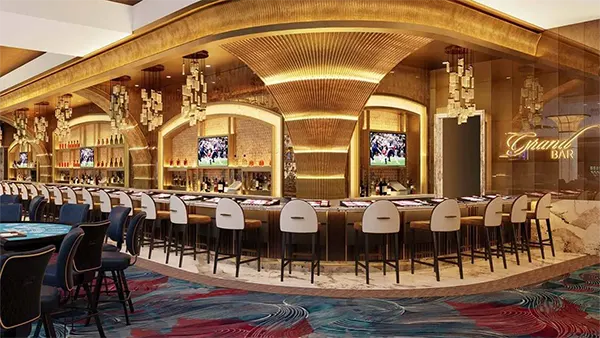
Poker and bingo are also commonly treated as separate pillars on very large casino resorts. Dedicated rooms and specialised areas help avoid the “one-floor-fits-all” problem and create spaces with their own pace and etiquette. If you are planning a visit, it is worth checking what’s scheduled during your dates, because major tournaments or special bingo events can noticeably change crowd patterns and room demand.
Hotels, food and entertainment: why visitors stay on-site
Foxwoods is designed to keep guests on property for multi-day stays. Multiple hotel options give visitors practical choice: proximity to specific casino areas, room category range, and different price points depending on tower and season. In a resort setting, that flexibility matters, because accommodation influences the whole itinerary—walking times, late-night returns and access to breakfast, shopping or show venues.
Dining at a resort of this size is usually built around breadth rather than a single “signature” venue. The key advantage is that guests can find options across different budgets and time constraints—quick bites between sessions, sit-down meals before a show, or late-night food after entertainment. In 2026, expectations are high: travellers tend to look for clear menus, transparent pricing, and convenient booking policies during busy periods.
Entertainment is one of the main reasons Foxwoods is treated as a destination. Large venues allow the resort to host touring performers and major events that draw visitors who may not have come solely for gaming. For many guests, the most realistic way to plan a weekend is to anchor it around a concert or theatre night, then treat casino time as part of the broader trip rather than the only focus.
What to consider in 2026 when planning a stay
Large resorts evolve constantly: renovations, new venues and seasonal shifts can change the experience from one year to the next. In 2026, the most practical approach is to check the current status of hotel areas, venue schedules and any staged refurbishment plans before booking. Even when upgrades are positive overall, they can affect noise levels, lobby routes, or the availability of certain room types in specific periods.
Because Foxwoods is a multi-zone complex, itinerary planning benefits from simple time buffers. Moving between a hotel tower, dinner reservations and an entertainment venue can take longer than expected—especially on weekends. If your schedule is tight, it is sensible to pick dining close to your show venue, or to arrive early and treat the extra time as part of the experience rather than a rush.
If you are travelling with a group, agree on a basic plan that respects different interests. Some people will prioritise shows and restaurants, others gaming, shopping or spa time. The resort format is built for “parallel” plans, but it helps to set meeting points and time windows—particularly late at night when crowds, queues and walking distances can make coordination harder than it seems.
Location, access and the business side of a large resort
Foxwoods sits in southeastern Connecticut, which places it within reach of several major Northeast population centres by car. That regional geography is part of its model: it attracts weekend trips, short breaks and event-focused visits from travellers who may not be looking for a flight-based casino holiday. For many guests, drive-time convenience is a core factor in choosing it over more distant destinations.
Another defining feature is the meetings-and-events infrastructure. Large-scale resorts are not sustained by leisure traffic alone; they also rely on conferences, corporate events and group travel. Extensive function space and on-site services allow the resort to host large groups while keeping leisure and business segments operating simultaneously—important for maintaining year-round occupancy beyond seasonal spikes.
Resort-style amenities such as spas and golf are not just “extras”; they support a broader visitor profile and diversify demand. Some guests plan around wellness and dining, using the casino as an optional evening activity. Others come for gaming but appreciate the ability to break up the trip with non-gaming experiences. This diversification helps explain why large resorts can remain resilient even when gaming markets become more competitive.
Responsible play: practical habits for a resort visit
In a destination setting, it is easy to lose track of time and spending because the environment is designed to keep you engaged. A simple, realistic budget set before the trip can help keep gaming in the “paid entertainment” category. Treat wins as a bonus rather than a target, and treat losses as the cost of the activity—this mindset reduces the pressure to chase outcomes.
Time management matters as much as money management. Many visitors find it helpful to schedule non-gaming anchors—dinner, a show, a spa booking—so the day naturally has breaks. Those fixed points reduce the risk of extending a session simply because “there’s nothing else planned”, and they make the trip feel more balanced and memorable.
If you notice signs of stress or impulsive decisions, stepping away is the most effective tool. Walk, get food, meet friends, or switch to a non-gaming activity. Large resorts are well suited to this because they offer alternatives on-site. The goal is to leave with a positive experience—one that feels controlled, enjoyable and aligned with your original reasons for visiting.