
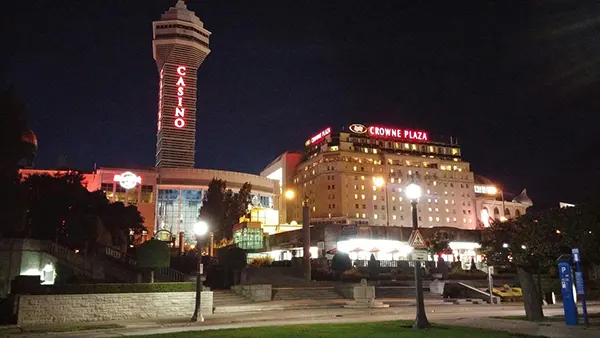
Casino Niagara: How a Canadian Casino Operates Beside One of the World’s Most Famous Tourist Attractions
Casino Niagara is located in Niagara Falls, Ontario, only a short distance from the iconic waterfalls that attract millions of visitors every year. Since opening in 1996, the casino has become an important part of the local tourism economy, combining gaming, entertainment, dining, and hospitality within one of Canada’s most visited destinations. Its position next to a globally recognised natural landmark creates a unique operating environment that differs significantly from many other casinos in North America.
The Strategic Location of Casino Niagara
Few casinos benefit from a location as distinctive as Casino Niagara. The property sits within Niagara Falls’ tourism district, allowing visitors to move easily between the waterfalls, hotels, restaurants, attractions, and gaming facilities. This proximity creates a steady flow of guests throughout the year rather than relying exclusively on dedicated gambling tourism.
The Niagara Falls region welcomes millions of domestic and international travellers annually. Many visitors arrive primarily to see the falls, but a significant portion also spend time exploring nearby attractions, including casinos. This creates a diversified customer base that includes tourists, day-trippers, business travellers, and local residents.
Unlike isolated casino resorts that must attract customers through gaming alone, Casino Niagara benefits from the broader appeal of the destination. The surrounding tourism infrastructure supports visitor numbers and helps maintain consistent activity across different seasons.
How Tourism Influences Daily Casino Operations
Tourism patterns have a direct impact on casino management decisions. Visitor numbers often increase during summer holidays, long weekends, and major events held in the Niagara region. As a result, staffing levels, entertainment schedules, and hospitality services must adapt to changing demand throughout the year.
International tourism also influences operational planning. Guests arrive from the United States, Europe, and Asia, creating a need for multilingual customer support, flexible payment options, and services that accommodate diverse visitor expectations.
The casino’s management must balance the needs of tourists seeking entertainment with those of local customers who visit more regularly. This combination of audiences requires a broad gaming selection and varied promotional activities without focusing solely on one customer segment.
Gaming, Entertainment and Regulatory Standards
Casino Niagara operates under the regulatory framework established by the Alcohol and Gaming Commission of Ontario and iGaming Ontario. These organisations oversee gaming integrity, responsible gambling requirements, and operational compliance. Strict regulation remains a central feature of Canada’s gambling sector in 2026.
The casino offers a mixture of slot machines, electronic gaming products, and traditional table games. Gaming floors are monitored continuously, while security systems and surveillance technology help maintain compliance with provincial standards.
Entertainment plays an important role alongside gaming activities. Live performances, dining venues, and special events contribute to the overall visitor experience, encouraging guests to spend more time within the property and surrounding district.
Responsible Gambling Measures in Practice
Responsible gambling initiatives form a significant part of casino operations in Ontario. Casino Niagara participates in programmes designed to provide information, support resources, and self-exclusion options for individuals who wish to limit or stop gambling activities.
Employees receive training that helps them recognise potential signs of gambling-related harm. Information points throughout the property provide access to educational materials and contacts for professional support services.
These measures reflect broader changes across the Canadian gambling industry, where responsible gambling has become a core operational requirement rather than a secondary consideration. Regulatory expectations continue to evolve as player protection receives greater attention from policymakers and industry stakeholders.

Economic Impact on the Niagara Falls Region
Casino Niagara contributes significantly to the regional economy through employment, tourism spending, and partnerships with local businesses. The casino supports jobs across gaming operations, hospitality, food services, security, maintenance, and management.
Visitor spending often extends beyond the casino itself. Tourists who stay in local hotels, dine at nearby restaurants, and visit surrounding attractions generate additional economic activity throughout the Niagara Falls area. This interconnected relationship strengthens the region’s tourism ecosystem.
The presence of a major entertainment venue also helps diversify the local economy. While Niagara Falls remains famous for its natural attraction, casinos and related tourism businesses provide additional revenue streams that support long-term economic development.
The Future of Casino Niagara in a Changing Market
The Canadian gambling sector continues to evolve as consumer preferences shift and new forms of entertainment emerge. Casino Niagara faces increasing competition from digital gaming options, integrated resort developments, and expanding tourism offerings across North America.
To remain competitive, operators must continue investing in customer experience, facility upgrades, and modern technology. Enhancements to gaming floors, hospitality services, and entertainment programmes help maintain the property’s appeal among returning visitors.
Despite changes in the gambling landscape, Casino Niagara retains a distinctive advantage that few competitors can match: its location beside Niagara Falls. The combination of a globally recognised tourism destination and a well-established casino continues to attract visitors from around the world, ensuring the property’s ongoing relevance within Canada’s tourism and entertainment sectors.